The Forest From Abroad: On Canada’s Davos Moment
I just published two versions of the same essay: one in Spanish, from Europe, and one in English, for Canadian and anglophone readers. They’re siblings rather than twins—similar in structure, different in inflection, each shaped by its imagined audience.
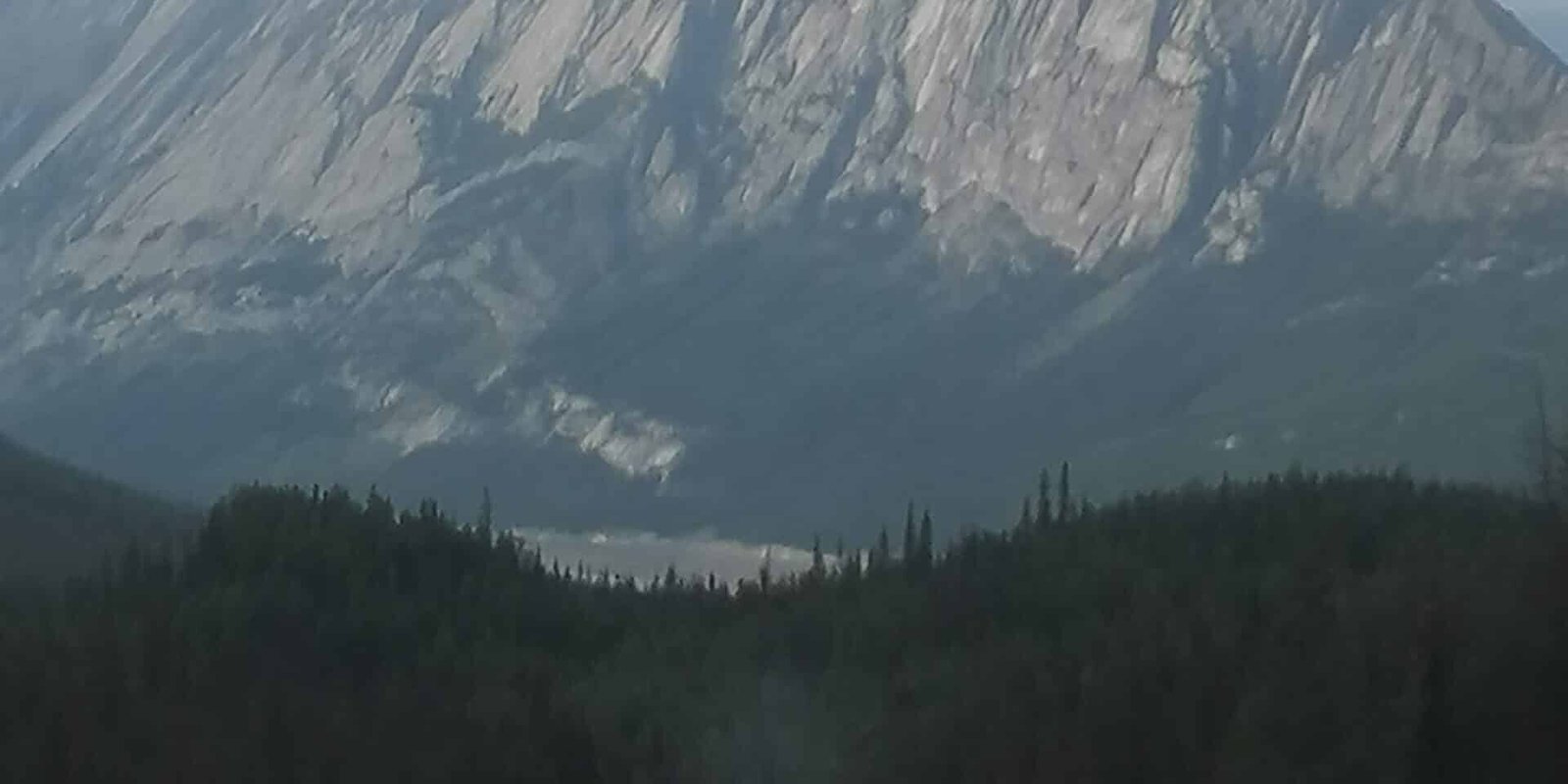
The piece reflects on Canada, on Mark Carney’s Davos speech, and on that peculiar comfort of moderation that can so easily slide into complacency. But it’s also an essay about distance—geographical, linguistic, moral—and about what distance makes visible. Inside the forest, you see trees. Outside it, you begin to see the forest as a historical form, a political actor, a moving thing. Carney is no angel, but seen from afar, there are definitely worse people to choose to pilot the ship during these troubled times.
The differences between the two versions are small but telling: shifts in tone, emphasis, implication. They are not translations so much as parallel perspectives. Writing them felt like an experiment in binocular vision—two lenses, one subject, greater depth.
Perhaps that’s what writing across languages does: it forces you to step back, to move between clearings, and to see the same forest from more than one shore.