The Journey in Reverse
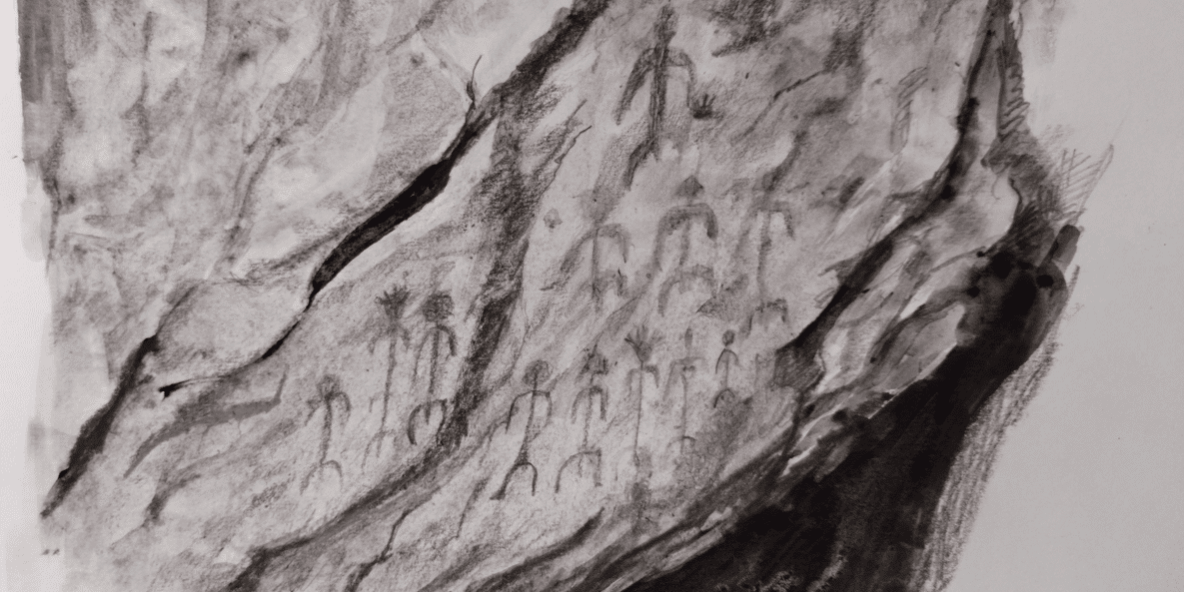
On a rock face beneath the castle in Monfragüe National Park in Spain, thousands of years of human communication seem compressed into a few metres of quartzite: prehistoric figures painted in ochre, then symbols, then an Iron Age inscription meant to be read.
It looks like a journey forward, from image to language, from memory to the written word. Until you look down from the mountain and see a group of teenagers, heads bowed over their phones.
We are not becoming illiterate. We read all day: messages, headlines, captions, notifications. But something else may be disappearing, the habit of remaining with words long enough for them to carry us somewhere else.
Human beings spent millennia learning how to make stories outlive their tellers. Now, with more of that accumulated human memory available to us than any generation before, we increasingly ask machines to select it, shorten it, explain it and read the difficult parts for us.
The Journey in Reverse, published in English in SUR in English and in Spanish in HOY, asks what we risk surrendering when we stop reading for ourselves.