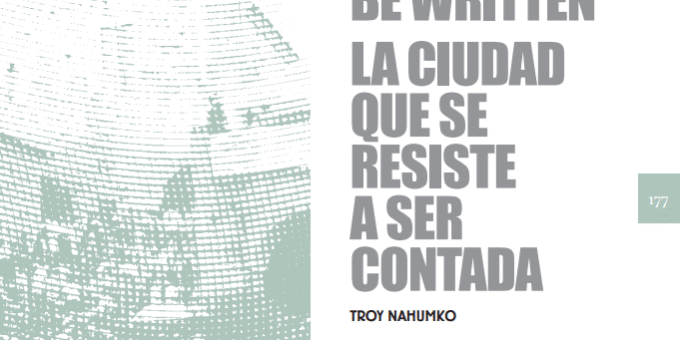
The City That Refused to Be Written
Sometimes a city isn’t a skyline or a list of monuments. Sometimes it’s a story that refuses to stay still, slipping through tidy definitions and glossy brochures.
I was recently invited—somehow, improbably—to write for the Ateneo de Cáceres, as part of their reflections on what culture means in the context of Cáceres’ bid for European Capital of Culture 2031. For someone who is not from here, that invitation felt like a quiet act of trust, and I took it seriously… though perhaps not obediently.
While the other writers wrote about the history of stones, timelines, frameworks, and theories, I did what I always seem to do: I wrote about people. About the stories we tell about places, and the dangerous comfort of single narratives. About how cities live not just in archives and plaques, but in conversations in dust, misunderstandings across borders, and the quiet biases we carry with us.
The essay wanders, from Ethiopian rock-hewn churches to Catalan conversations, from colonial myths to literary cities that exist first on the page. It asks what happens when a place resists being reduced to clichés, and what culture might mean when it is lived rather than curated.
It’s long. It meanders. It breaks the rules. But it’s a journey I’m deeply proud of…and I hope you’ll walk it with me.