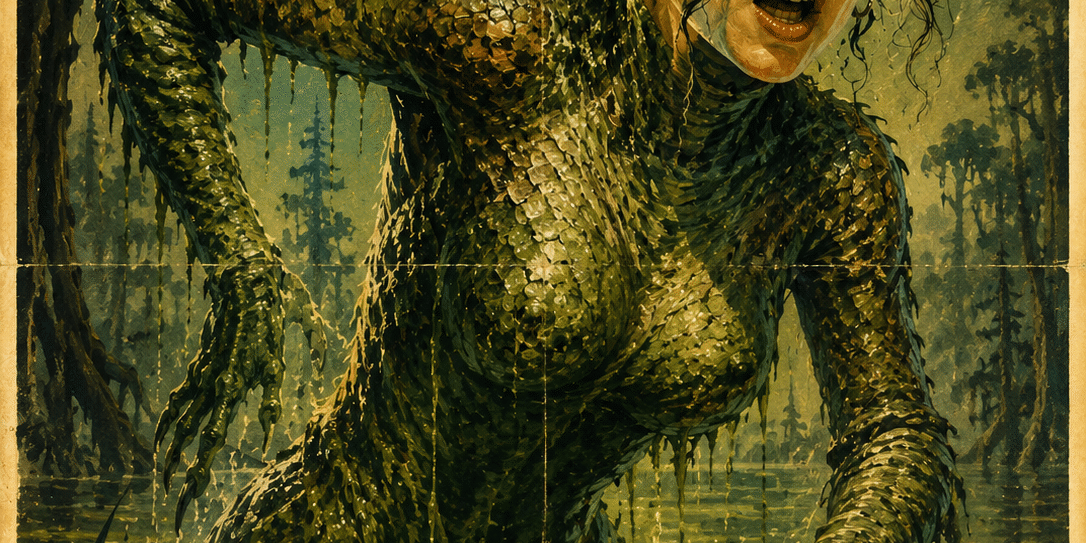
When the Swamp Things Surface
There are few things stranger than watching former colonial powers attempt to market conquest as a feel-good cultural product in the twenty-first century.
This month, a taxpayer-funded delegation led by Isabel Díaz Ayuso and accompanied by 80s pop-zero, Nacho Cano travelled to Mexico to stage an event titled Celebración por la Evangelización y el Mestizaje en México: Malinche y Cortés. A celebration.
Of evangelization.
In Mexico.
In 2026.
What followed was a near-perfect specimen of ideological bubble collapse: protests in the streets, institutional distancing, diplomatic embarrassment and, finally, Mexican president Claudia Sheinbaum publicly circulating a sixteenth-century royal decree documenting atrocities committed under Hernán Cortés: branding children with hot irons, enslavement and abuses so extreme that even the Spanish Crown eventually intervened.
The performance would already have been grotesque enough on its own. But it became even stranger when the same travelling pageant of colonial revisionism planned to resurface in Extremadura, inside a luxury hotel built in the palace of a conquistador and restored with Peruvian capital. History, when left unattended long enough, develops a very dark sense of humour.
The new essays are less about one diplomatic fiasco (which was execrable) than about the machinery that produces these spectacles: the modern political echo chamber, where nationalism, grievance and historical mythology ferment together until reality itself starts to feel like hostile territory. The same phenomenon exists far beyond Spain and Mexico. You can see versions of it in Brexit nostalgia, MAGA exceptionalism and every political movement that converts historical fantasy into identity branding for domestic consumption.
The English and Spanish versions are slightly different. Have a look in CounterPunch and the Spanish version in El Salto Diario.